
Turning Dublin's coffee waste into a sustainable future
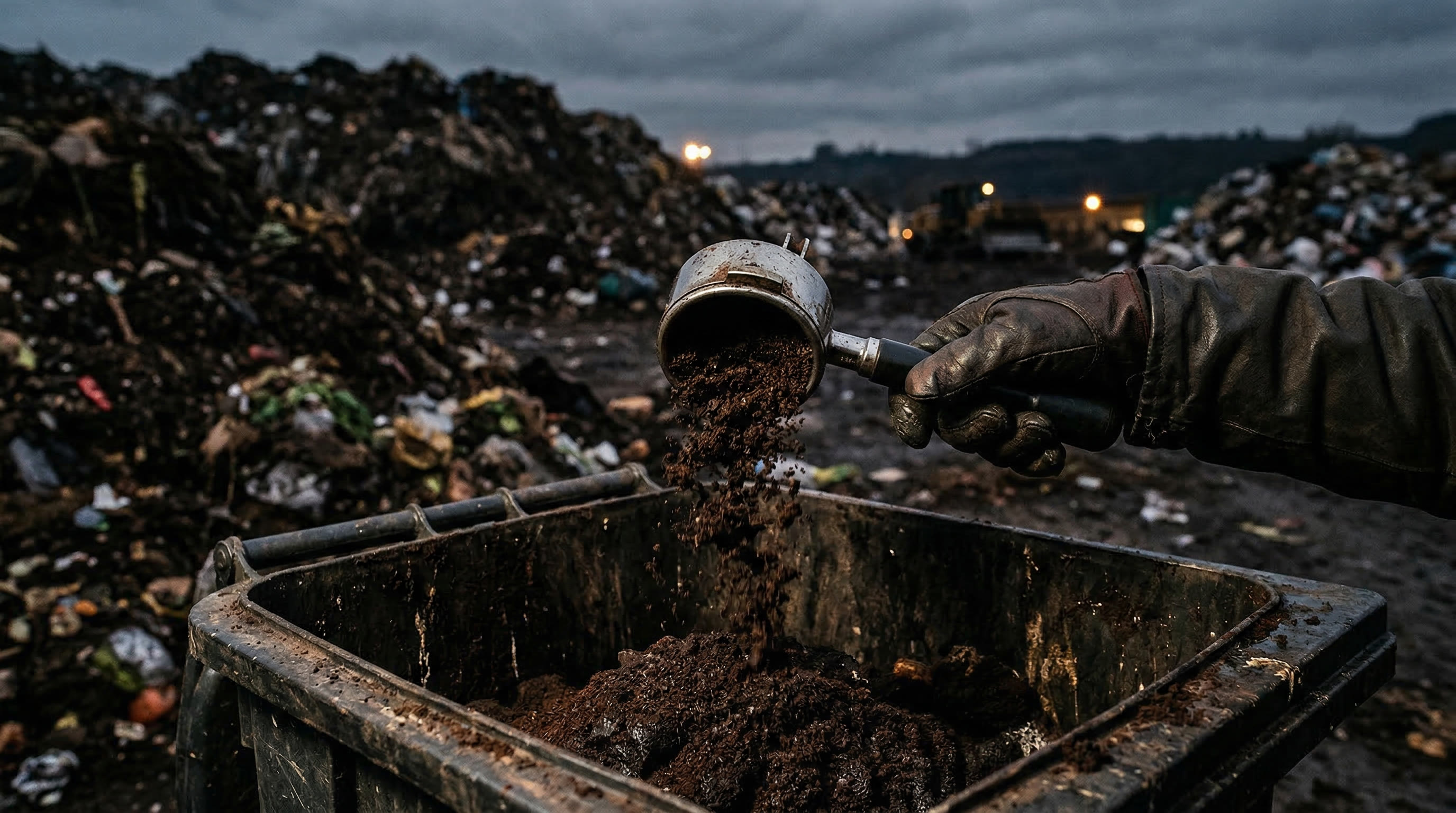
Every year, Dublin's cafes, restaurants, and offices generate a mountain of coffee waste — and almost all of it ends up in landfill.
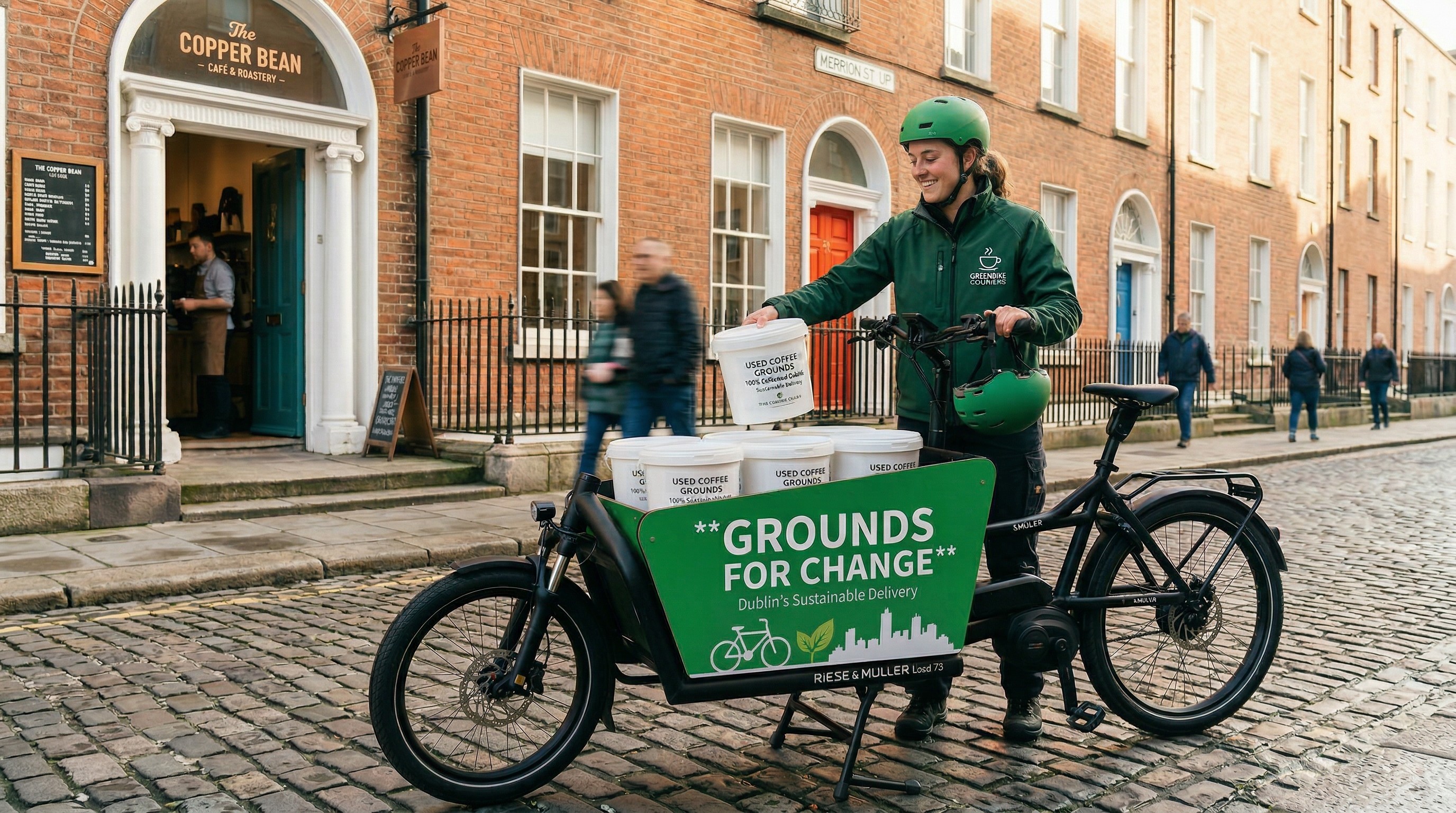
We collect spent coffee grounds from Dublin cafes, restaurants, and offices using electric cargo bikes — completely free of charge — then transform them into valuable sustainable products.
We provide cafes with sealed 20-litre food-grade buckets. When we collect a full one, we leave a clean empty — no cost, no waiting, no hassle, no mess.
Our fleet of electric cargo bikes collects grounds every 2 days across central Dublin — zero emissions, zero traffic impact, zero parking headaches.
Grounds are brought to our central Dublin micro-hub for sorting, weighing, and cold storage before onward processing into valuable products.
Your coffee waste becomes coffee logs, mushroom substrate, compost, biochar, and more — closing the loop on the circular economy. Collection is free for you; the value is in what we redirect from landfill.
Spent coffee grounds aren't waste — they're a resource. Here's what we create from Dublin's daily brew.
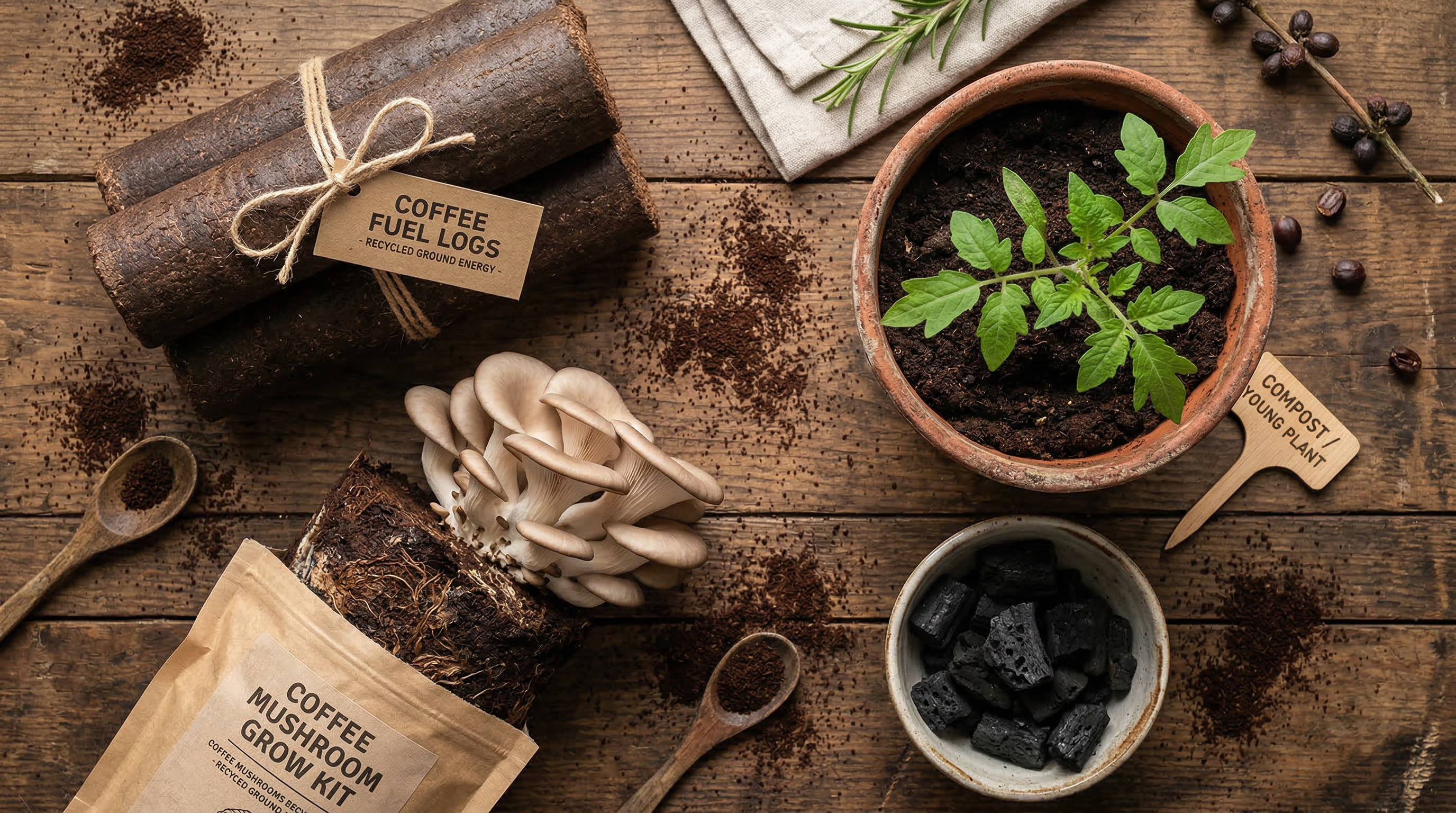
Compressed biomass fuel for home heating. Burns 20% hotter and longer than kiln-dried wood. A proven product with growing demand in the European market.
Ready NowFresh spent grounds are the perfect growing medium for oyster mushrooms. 1 kg of mushrooms from every 5 kg of grounds — the highest-value, lowest-capital application.
Ready NowNitrogen-rich organic compost for gardens and agriculture. Coffee grounds' 2% nitrogen content makes them an ideal composting feedstock when blended with brown materials.
Ready NowLow-temperature pyrolysis converts grounds into stable biochar — locking carbon in the soil for centuries. Qualifies for premium carbon removal credits.
Year 2+Our verified waste diversion documentation helps commercial buildings earn 1–3 additional green building credits — commanding rental premiums of 5–10% for Irish office landlords.
ServiceUnder EU RED III, spent coffee grounds are classified as Annex IX Part A advanced biofuel feedstock — with double-counting benefits for fuel suppliers meeting their RTFO obligations.
Policy UpsideThe EU's Renewable Energy Directive III has created an unprecedented opportunity for spent coffee grounds.
The EU's Directive (EU) 2023/2413 — known as RED III — classifies spent coffee grounds as Annex IX Part A advanced biofuel feedstock. This is confirmed by the European Commission's Union Database for Biomass and Biofuels, which lists "residues and waste from production of hot beverages" under material code URWR008.
This classification means biofuels from coffee grounds count as twice their actual energy content when fuel suppliers calculate their compliance with renewable energy targets.
For Ireland specifically, the Renewable Transport Fuel Obligation (RTFO) rate has jumped to 32% for 2026, with an advanced biofuel sub-obligation of 5%. Fuel suppliers who can't meet this must pay a buy-out charge — creating strong demand for exactly the kind of feedstock we collect.
Currently, only 15% of biofuel feedstocks placed on the Irish market are sourced domestically. The rest are imported. Irish-origin spent coffee grounds represent a local, verified, advanced biofuel feedstock that addresses this supply gap.
Advanced biofuels from Annex IX Part A feedstocks — including coffee grounds — are counted as twice their actual energy content under Article 27
Ireland's 2026 Renewable Transport Fuel Obligation rate — up from 25% in 2025, with the advanced biofuel sub-obligation now at 5%
Biodiesel from spent coffee grounds achieves 80–90% greenhouse gas savings versus the fossil fuel comparator — far exceeding the 70% minimum threshold
ILUC stands for Indirect Land Use Change — it measures whether growing biofuel crops displaces food production. As a waste/residue feedstock, coffee grounds are completely exempt from ILUC criteria, agricultural sustainability requirements, and the Part B 1.7% cap
We're partnering with Dublin's leading universities for research validation and student-powered collection.
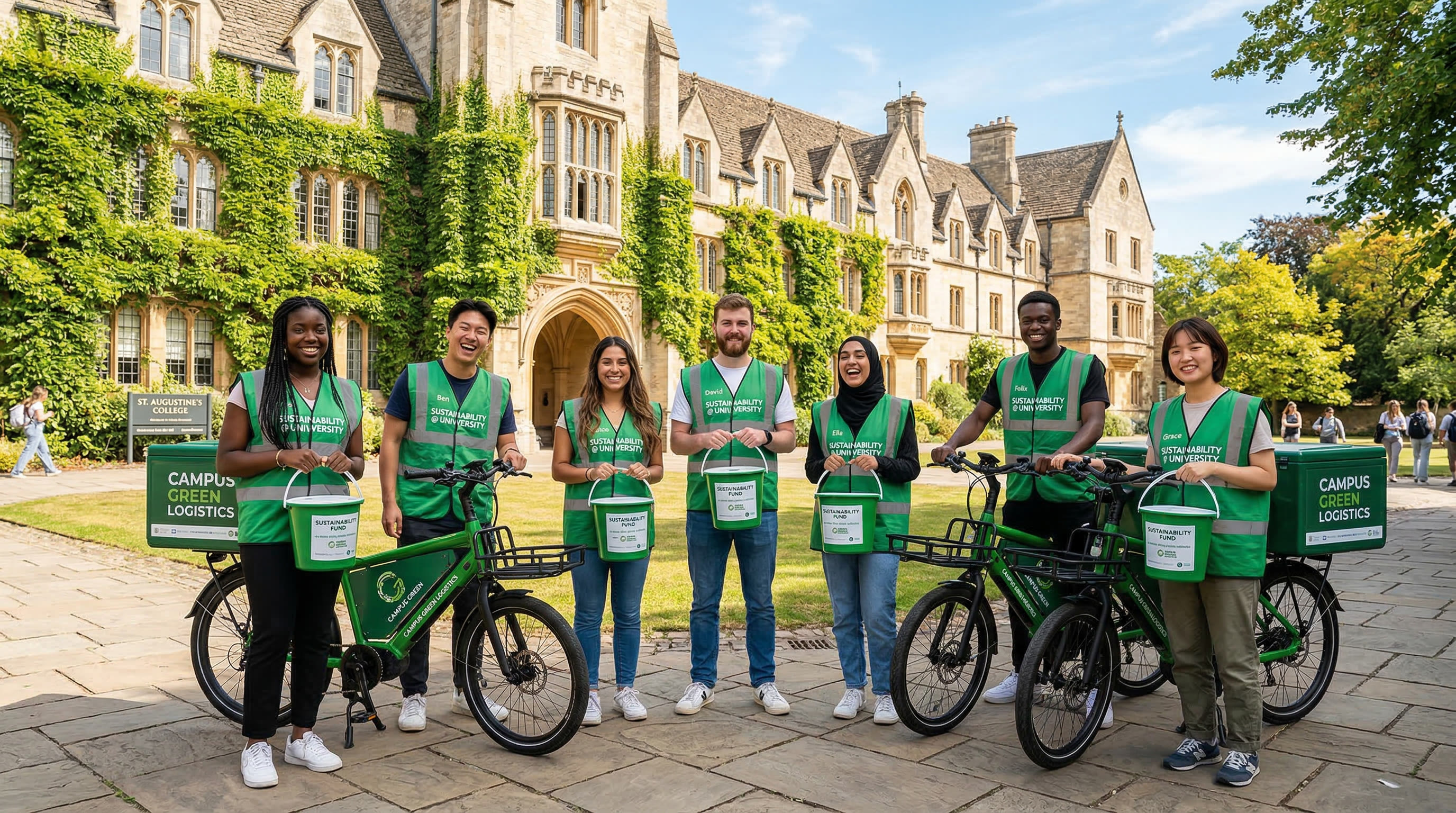
Dublin's universities are both major generators of coffee waste and home to world-class sustainability research. We're building partnerships that create value for everyone.
Research Validation: Working with environmental science and chemical engineering departments to validate our processing methods and quantify environmental impact
Student Collection Fleet: Part-time student riders collect grounds via cargo bikes — providing flexible employment, sustainability experience, and campus integration
Campus Collection Points: With 100,000+ students across Dublin's universities, campus cafeterias generate substantial volumes of grounds — an untapped collection network
Green Campus Credits: Supporting universities' An Taisce Green Campus accreditation through verified organic waste diversion programmes
We're not asking for money — we're asking for visibility. Every follow, share, and introduction gets us closer to launching Dublin's first dedicated coffee grounds recycling service. Here's how you can help right now.
Follow us on Instagram and LinkedIn. Like our posts, leave a comment, share with your network — every interaction boosts our reach.
Know a sustainability advocate, facilities coordinator, or office manager in your organisation? A warm introduction is worth more than any ad spend.
Next time you're in your local coffee spot, mention Grounds for Change. Ask if they'd be interested in free coffee grounds collection. Word of mouth opens doors.
We turn spent coffee grounds into coffee logs, mushroom substrate, compost, biochar, and LEED credits. If you or someone you know could use these products, send them our way or forward this page.
Whether you're a cafe owner, property manager, university, or sustainability funder — we'd love to hear from you.
Dublin, Ireland
Cafe collection partners, university collaborations, grant funders, processing partners